
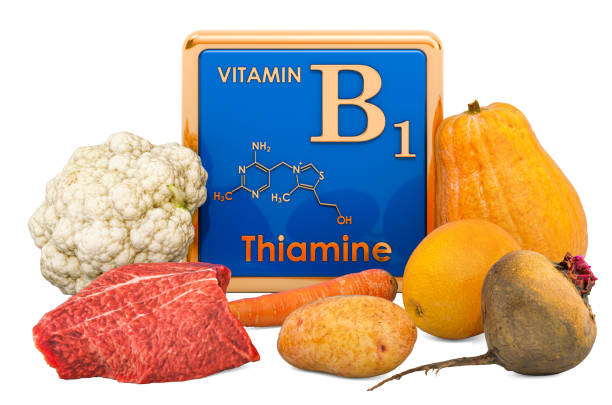
Next up in the series exploring key nutrients for mitochondrial health and energy production is thiamine, or vitamin B1.
Often referred to as the ‘spark plug’ of energy metabolism, thiamine in instrumental in converting food into usable cellular energy (ATP).
Without sufficient B1, mitochondria can’t productively produce energy, which may lead to fatigue, brain fog, and nervous system imbalance.
Thiamine is particularly crucial for tissues which require large amounts of energy, including the brain, heart, and muscles. Additionally, it supports glucose metabolism, nerve conduction, and stress resilience, making it essential for both physical and mental stamina.
New research has linked normal thiamine levels to improvements in fatigue, cognition, and autonomic stability, particularly in conditions like chronic fatigue syndrome, fibromyalgia, and long COVID, where mitochondrial dysfunction is common.
Energy metabolism
Thiamine acts as a key cofactor in the conversion of carbohydrates into ATP.
Adequate B1 ensures your mitochondria can efficiently transform food into fuel, helping reduce chronic fatigue and supporting everyday energy needs.

Nervous system support
Thiamine is critical for nerve conduction and neurotransmitter function. It helps maintain a balanced nervous system, supporting mental clarity, focus, and resilience to stress.
Low thiamine levels can contribute to brain fog, irritability, and nervous system imbalance.
Mitochondrial power
By optimising mitochondrial function, thiamine helps your cells generate energy efficiently while shielding against oxidative stress.
This makes it especially important for high-demand tissues like the brain and muscles, supporting both physical performance and cognitive stamina.
Consumption
Thiamine needs vary based individual needs and current energy states. Regular supplemental doses range from 50–100 mg per day, often split into two or three smaller doses to support steady energy and nervous system function.
The body naturally excretes what it doesn’t require, although consistent intake helps maintain mitochondrial support.
As always, consult a practitioner familiar with nutritional supplements before considering whether to introduce thiamine into your wellness toolkit.
You can find other ME/CFS related blogs here.

Shaun Moran