
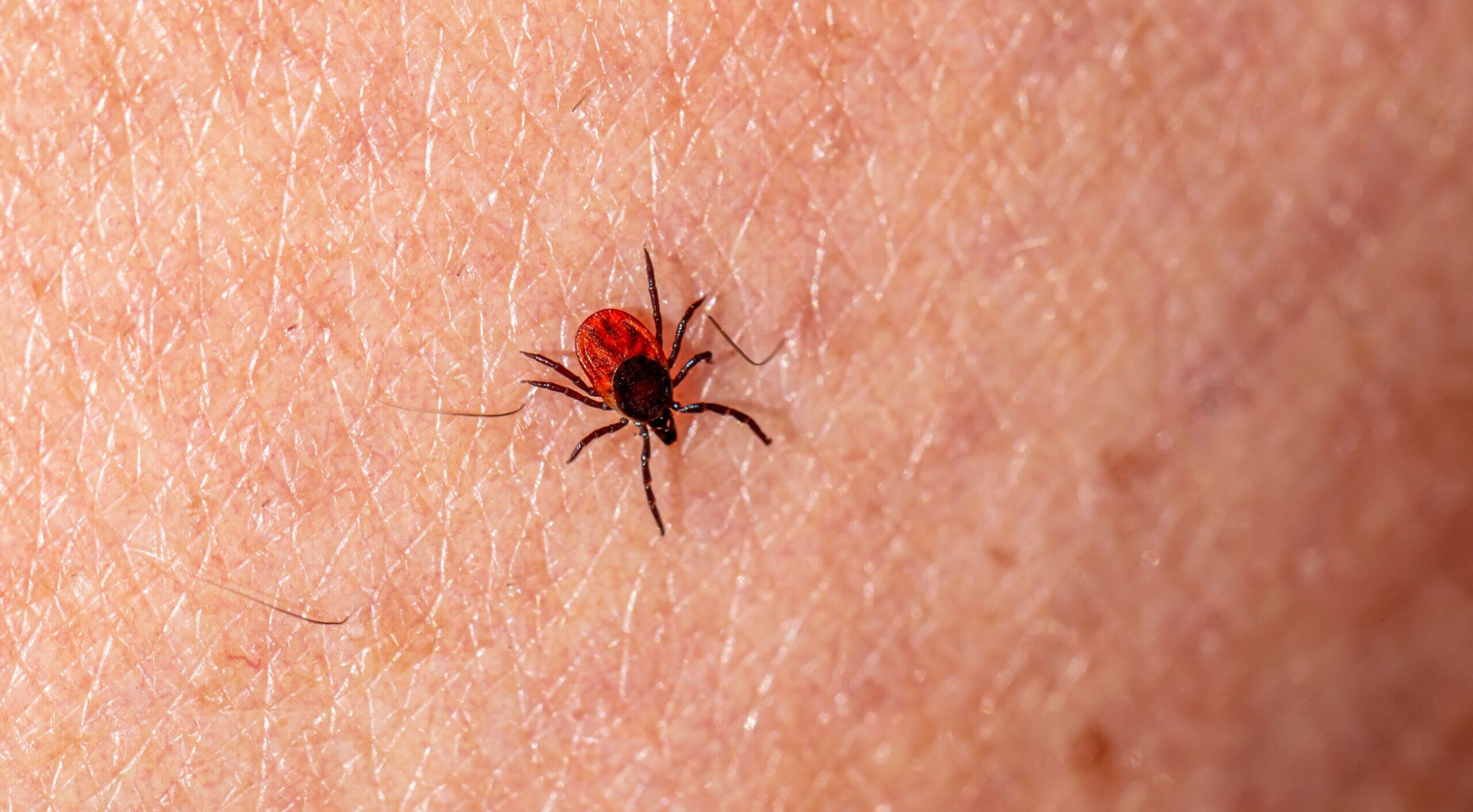
Next up in our series on the often-overlooked drivers of chronic fatigue is Borrelia.
Borrelia is the bacterial pathogen most commonly associated with Lyme disease. Borrelia most commonly spreads through the bite of an infected tick, although researchers have also proposed other insect vectors as possible routes of transmission.
Once inside the body, this spiral-shaped bacterium (known as a spirochete) has the ability to spread through multiple tissues and evade the immune system, allowing it to persist in some individuals.
How Borrelia affects the body
Unlike many infections that remain confined to one area, Borrelia can affect a wide range of body systems.
It has a particular affinity for the nervous system, joints, connective tissue, and even the cardiovascular system. As a result, symptoms can be broad, varied, and often seem unrelated at first glance.
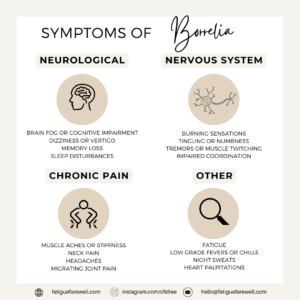
Some of the more common symptoms associated with Borrelia include persistent fatigue, brain fog, joint pain, nerve tingling or burning sensations, headaches, migrating muscle or joint pain, poor exercise tolerance, and cognitive difficulties.
Symptoms may also fluctuate over time, making it difficult for people to connect the dots or receive an accurate diagnosis.
Diagnosis and its challenges
One of the biggest challenges with Borrelia is that it can be difficult to detect.
While laboratory testing can provide valuable information, current testing methods have limitations and may not identify every case, although some specialised laboratories have improved detection in recent years.
This is why a thorough clinical history and careful assessment of symptom patterns often remain an important part of the diagnostic process.
Why a holistic approach is required
Treating Borrelia typically requires more than simply targeting the bacteria itself.
Depending on the individual, this may involve antibiotics or herbal antimicrobial therapies alongside strategies to support immune function, reduce inflammation, improve detoxification pathways, and regulate the nervous system.
Addressing these downstream effects is often just as important as reducing the microbial burden.
If you’ve been struggling with persistent fatigue, cognitive dysfunction, unexplained pain, or neurological symptoms, particularly if they began after a tick bite, outdoor exposure, or have remained unexplained despite extensive testing – Borrelia may be worth investigating as part of a comprehensive assessment.
As with many chronic health conditions, identifying and addressing the underlying drivers is often what creates meaningful and lasting improvements, rather than simply managing symptoms alone.
You can find other ME/CFS related blogs here.

Shaun Moran