

Growing evidence suggests a strong connection between ACEs and chronic fatigue, highlighting how early life stress can influence long-term health.
While chronic fatigue syndrome (CFS) is often explored through infections, immune dysfunction and environmental exposures, research shows that childhood trauma may also play a significant and lasting role.
The ACE Study and long-term health outcomes
The Adverse Childhood Experiences (ACE) Study, conducted between 1995 and 1997, was one of the first large-scale investigations to demonstrate a clear link between childhood trauma and adult physical disease.
The study examined 10 types of adverse childhood experiences, including abuse, neglect and household dysfunction.
Researchers calculated ACE scores from responses. Higher scores indicated greater childhood trauma exposure.
As ACE scores increased, researchers saw higher risks of chronic disease in adulthood.
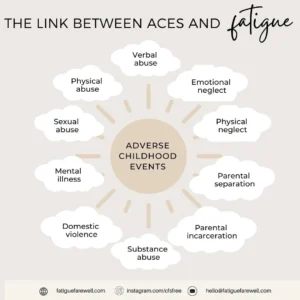
Importantly, this included conditions characterised by fatigue and immune dysfunction.
Higher ACE scores increased the risk of developing CFS and other long-term health conditions.
Subsequent research shows childhood trauma can increase CFS risk by three to eight times.
Why does this matter?
Early trauma can lead to long-standing changes in the nervous system, stress response and immune function.
Chronic activation of the stress response may contribute to inflammation, immune suppression and hormonal disruption, all commonly observed in people with chronic fatigue.
This does not mean that chronic fatigue is ‘all in the mind.’ Rather, it highlights how deeply interconnected the nervous, immune and endocrine systems are, and how early stress can shape vulnerability later in life.
What we can do
Recognising the role of ACEs allows health practitioners and individuals to take a whole-person approach to healing.
By addressing nervous system regulation, resolving trauma, and building stress resilience, alongside supporting physical health, people can strengthen their chances of recovery.
Recovery is possible and often more achievable when we acknowledge the full story, including childhood experiences.
You can find other ME/CFS related blogs here.
Shaun Moran