
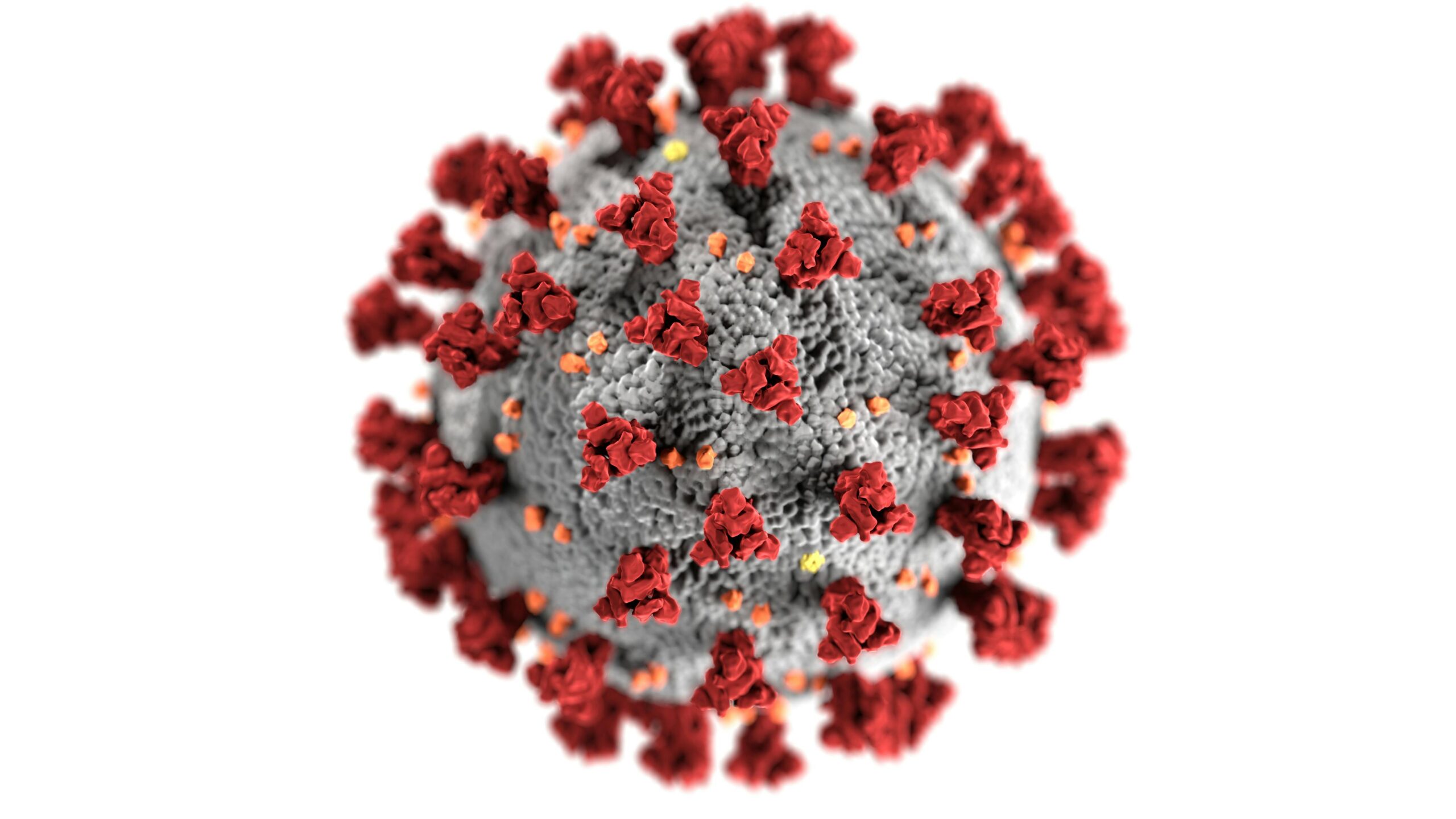
Next up in the series exploring hidden drivers of fatigue is the Epstein–Barr virus (EBV). In this blog, we explore how EBV reactivation contributes to chronic fatigue and why it so often goes unrecognised in people with ongoing post-viral or immune-related symptoms.
Most people are exposed to EBV at some point in their lives, often without long-term consequences. After the initial infection, the virus typically becomes dormant and is kept in check by a healthy immune system.
However, for some individuals, particularly those experiencing chronic fatigue, long COVID, mould exposure, immune dysregulation, or prolonged stress, EBV can reactivate and contribute to persistent symptoms.
How EBV contributes to fatigue
When EBV reactivates, it can affect multiple systems in the body, including the immune, neurological, endocrine, and mitochondrial systems. This multi-system impact is one reason EBV-related fatigue can feel confusing and difficult to identify.
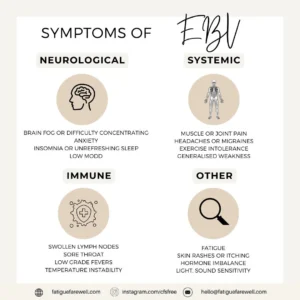
Common symptoms associated with EBV reactivation include brain fog, unrefreshing sleep, anxiety, low mood, muscle or joint pain, headaches, exercise intolerance, temperature instability, and ongoing fatigue that doesn’t improve with rest.
Why EBV is often missed
EBV reactivation frequently goes undetected. Standard blood tests may only indicate past exposure, leading symptoms to be overlooked or attributed solely to stress or burnout. While laboratory testing can be helpful, clinical history, symptom patterns, timing, and known triggers are equally important. This is especially in people with chronic fatigue syndrome (ME/CFS) or post-viral illness.
Supporting EBV recovery
Supporting EBV is rarely about antivirals alone. A whole-systems approach is usually required, including improving immune resilience, lowering inflammatory load, addressing triggers such as Lyme disease, co-infections, or mould exposure, and supporting the nervous system and mitochondrial function.
When the underlying drivers are stabilised, EBV symptoms often dissipate, and energy begins to return.
Remember to keep an eye out on future blogs addressing the root causes of fatigue and recovery.
You can find other ME/CFS related blogs here.
Shaun Moran